The use of ion exchange resins in the extraction of precious metals
The company's products based on ion exchange resins have received certificates of the International Quality Management System ISO9001: 2000, Environmental Management System ISO14001: 2004 and Occupational Health and Safety Management System GB/T28001-2001. In addition, the company has received a certificate of recommended product for network access issued by the Ministry of Electricity. The company has a specialized research and development center and maintains close cooperative relationships with several domestic research institutes. Several new products have already passed experimental development stages.
General information about the application
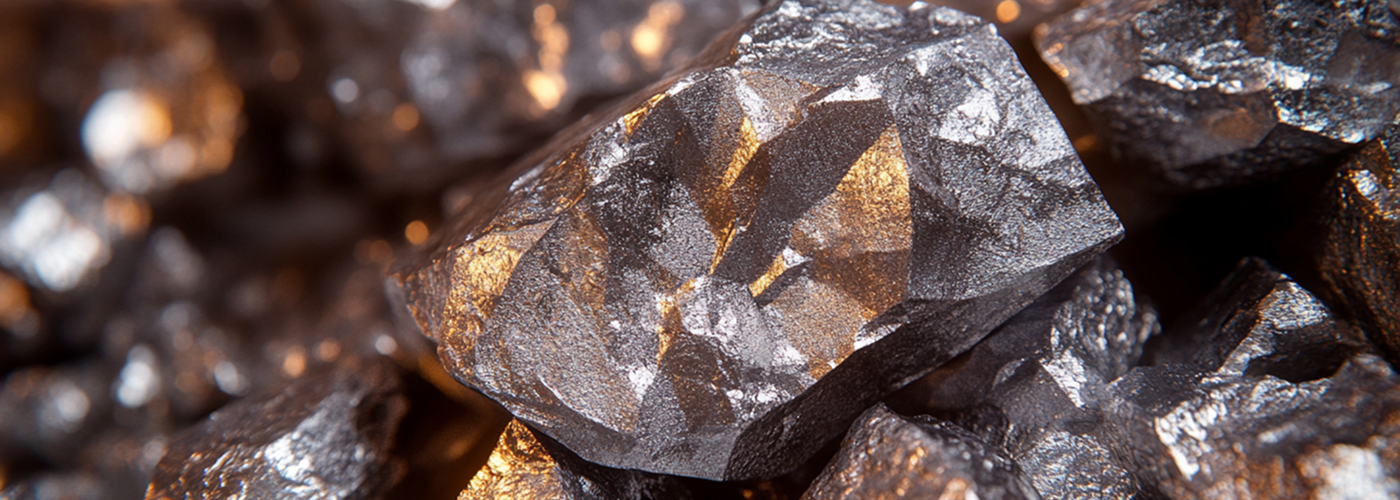
Precious metals (gold, silver, platinum, palladium, rhodium, etc.) are widely used in the automotive, electronics, pharmaceutical and jewelry industries due to their exceptional corrosion resistance, high temperature stability and catalytic properties. Given limited natural reserves and concentrated distribution, primary ore mining is associated with high costs and significant environmental impacts. Consequently, the extraction and recovery of secondary resources has become a major trend in the industry. These secondary resources include used automotive catalytic converters, waste electronic waste (WEEE), plating rinse wastewater, and precious metal smelting residues. Traditional extraction methods (such as chemical precipitation and solvent extraction), characterized by complex compositions and low concentrations of precious metals, suffer from low separation efficiency, poor purity, and serious contamination problems. Ion exchange resins, with their high selectivity, ease of regeneration and environmental friendliness, have become the main technological solution for the extraction and recovery of precious metals.
Main application scenarios:
-
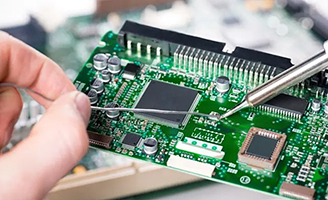
Recycling of electronic waste
Recovering precious metals such as gold, silver and palladium from discarded circuit boards and chips.
-
Recycling of automobiles catalysts
Recycling spent three-way catalytic converters can separate and recover platinum group metals, including platinum, palladium and rhodium.
-
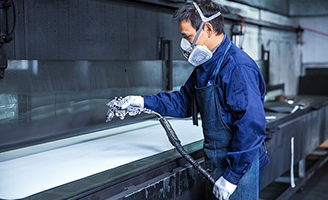
Galvanic industry
Recover precious metals such as gold and silver from plating wastewater, enabling double recycling of water resources and materials.
-
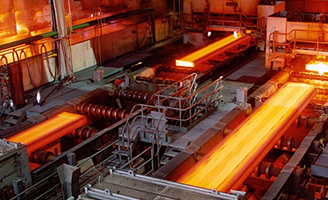
Smelting and chemical engineering
Enrichment and purification of precious metals such as platinum and palladium from smelting residues and spent chemical catalysts.
Technical principle:
Ion exchange resins undergo selective ion exchange or adsorption reactions with precious metal ions or their complexes in solution through certain functional groups (such as chelating groups or quaternary ammonium groups) on their polymer backbone. For example, gold is present as a complexing anion in wastewater from electroplating industries, where highly basic anion exchange resins provide efficient adsorption by displacing chlorine ions. Platinum and palladium form stable complexes in chloride solutions, allowing targeted capture of anion exchange resins. Rhodium can be separated from other platinum group metals using special resins by keeping the pH of the solution neutral. The adsorbed resin is treated with an eluent to desorb precious metal ions, which allows the resource to be restored and the resin to be regenerated.
Application results
Exceptional recovery efficiency: In subsequent processing of e-waste, the recovery rate of gold and silver exceeds 98%, and platinum and palladium exceeds 95%, which far exceeds traditional processing standards;
Adequate product purity: The recovered precious metals reach purity levels greater than 99.9%, meeting the highest requirements in applications such as jewelry manufacturing and catalyst preparation;
Significant cost reduction: Resin recycling reduces consumables costs by 40%, and process simplification reduces labor and energy costs by 30%, which significantly reduces overall operating costs;
Environmental Compliance: Wastewater discharge meets national environmental standards and chemical consumption is reduced by 50%, eliminating pollution risks associated with traditional methods and helping businesses achieve green production certifications;
Recycling resources and increasing their value: Allows for the efficient use of secondary resources, turning waste into valuable assets, thereby increasing the resource utilization rate and competitiveness of enterprises in the market.
Application example
The gold plating company's acid washing wastewater contained approximately 1577.8 ppm Au. Using traditional processes provided only 85% recovery efficiency and created environmental risks. After introducing our Trilite MA-12 strong alkaline earth (chlorine type) anion exchange resin at a flow rate of SV5, one liter of resin can treat wastewater 140 times faster than its volume, while keeping breakthrough gold concentrations controlled below 1.0 ppm. After resin adsorption, elution and purification, the gold recovery rate increased to 99.2%, and the purity of recovered gold reached 99.95%. The annual gold recovery exceeded 20 kilograms, generating more than 10 million yuan in additional income. At the same time, treated wastewater can be recycled for reuse, providing a double win in terms of environmental protection and economic benefits.