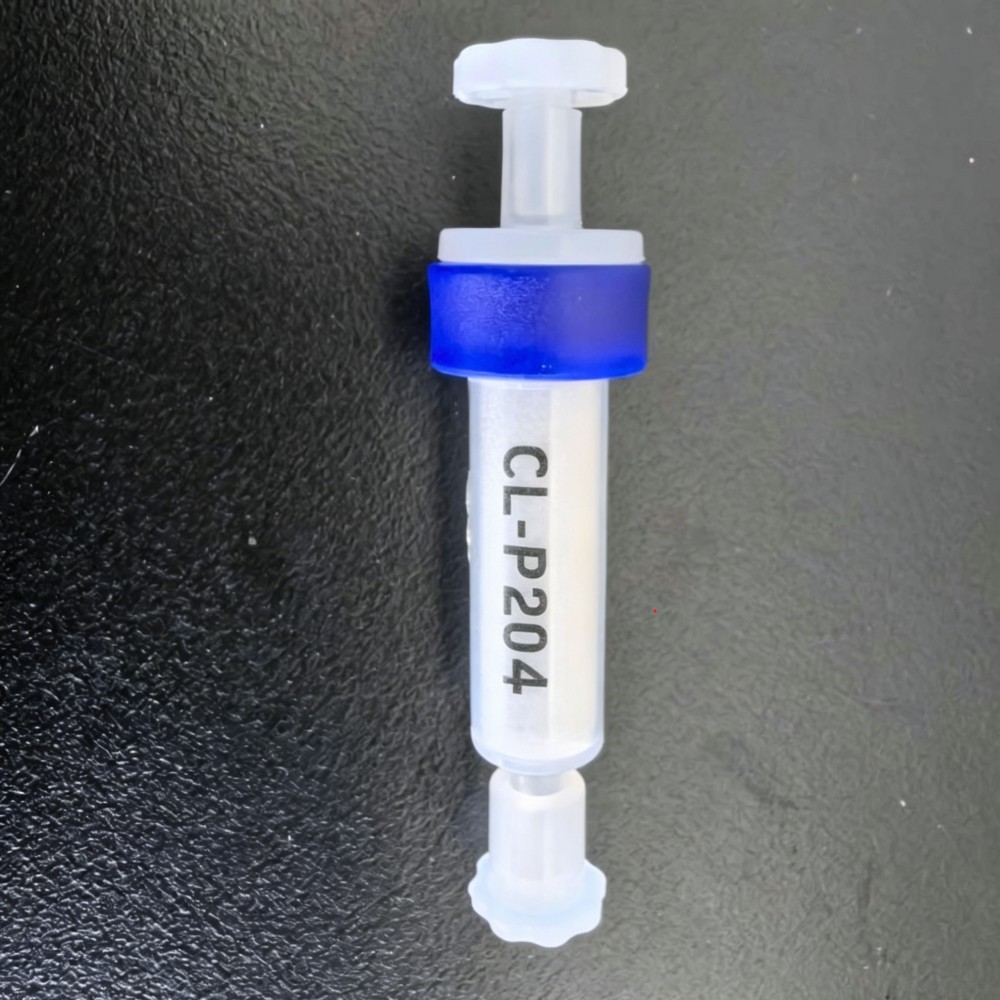
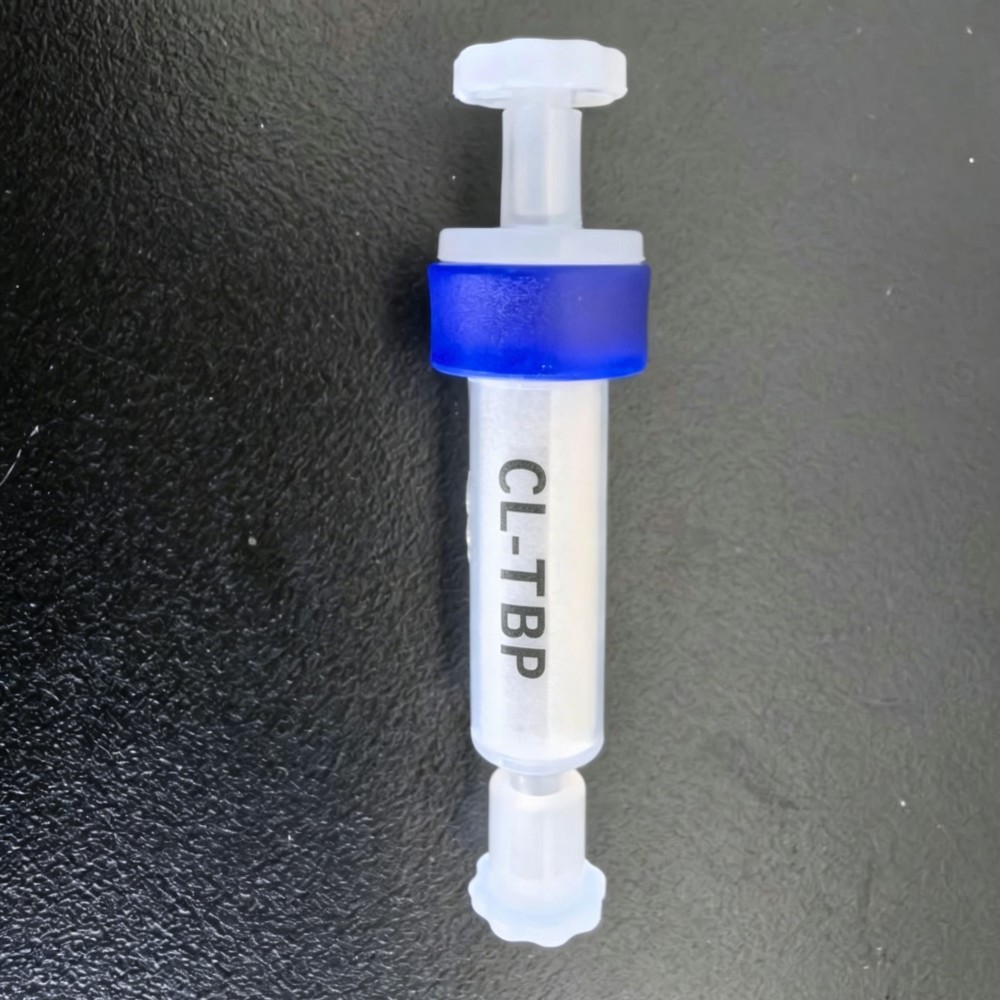
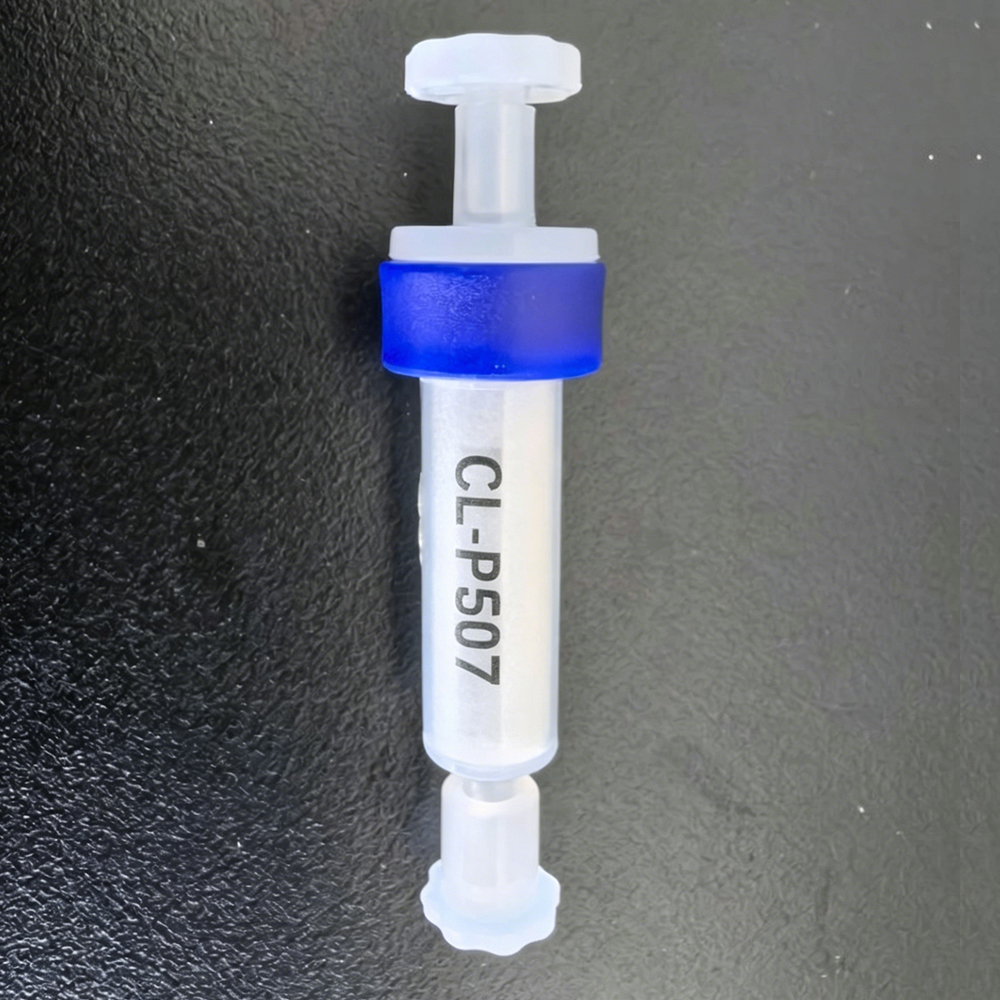
• Weak Alkalinity and High Selectivity: Tertiary amine groups provide mild alkalinity and strong adsorption of strongly dissociated anions (SO₄²⁻, NO₃⁻, Cl⁻), while exhibiting weak adsorption of weakly dissociated anions (such as silicic acid), making it suitable for low-silica leakage scenarios.
• Macroporous Structure and Anti-fouling: Large pore size enables efficient adsorption/desorption of natural organic matter (NOM, humic acid), providing strong resistance to organic fouling and making it suitable for water with high organic matter content.
• Excellent Mechanical Stability: Uniform particle size and high cross-linking degree result in wear resistance, resistance to osmotic impact, and low breakage rate during long-term circulation.
• Low Silica Leakage: When used in conjunction with strongly alkaline anion exchange resins, it can significantly reduce the silica content of the effluent, making it suitable for high-pressure boiler feedwater.
• Industrial Water Treatment: Boiler feedwater desalination, pure water/ultrapure water preparation; combined with strongly alkaline resins, it achieves low silica leakage.
• Organic matter removal: Removal of humic acid and NOM from surface water/groundwater, protecting strongly alkaline resins from contamination.
• Precious metal recovery: Recovery of Au and Ag from cyanide solutions, and adsorption and recovery of platinum group metals from platinum-palladium-containing wastewater.
• Wastewater treatment: Removal of heavy metal cyanides (such as Cu(CN)₄³⁻) and chromates (CrO₄²⁻) from electroplating/mining wastewater.
• Chemical refining: Decolorization and removal of acid radicals from organic solutions, and separation and purification of antibiotics/organic acids.