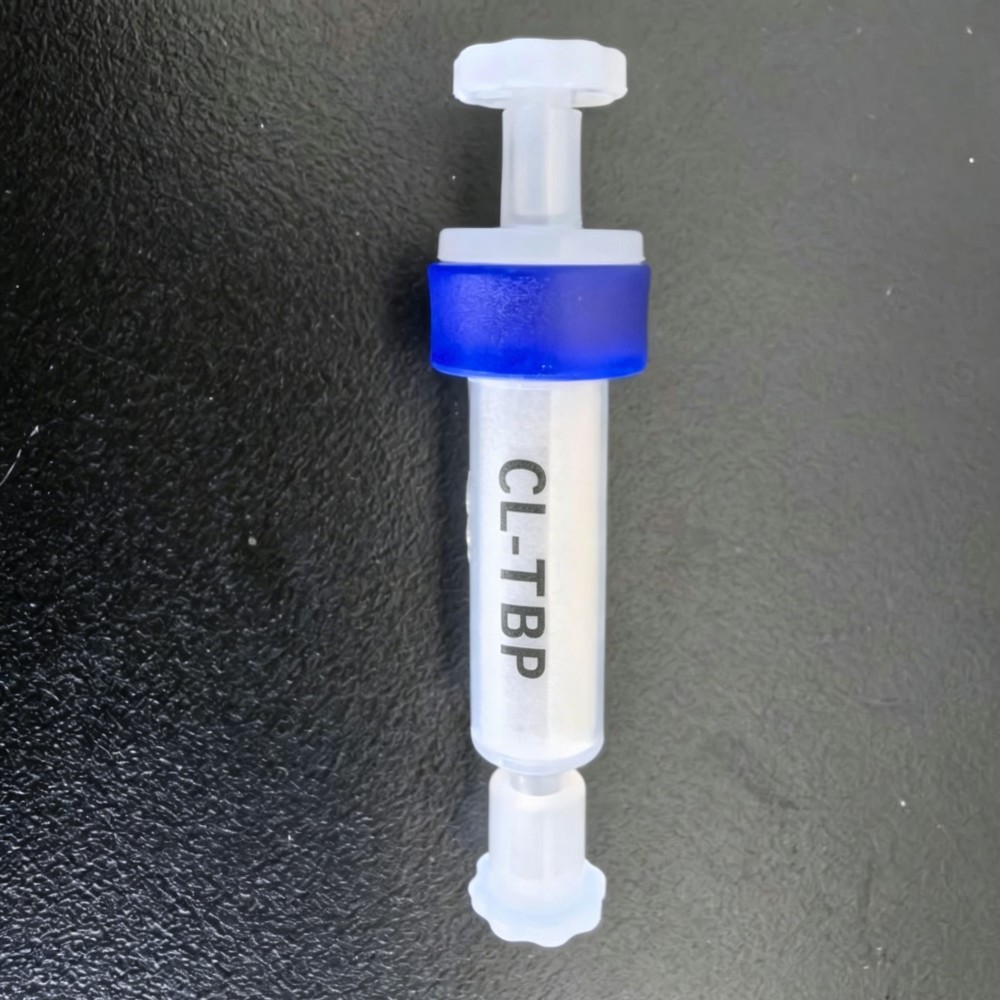
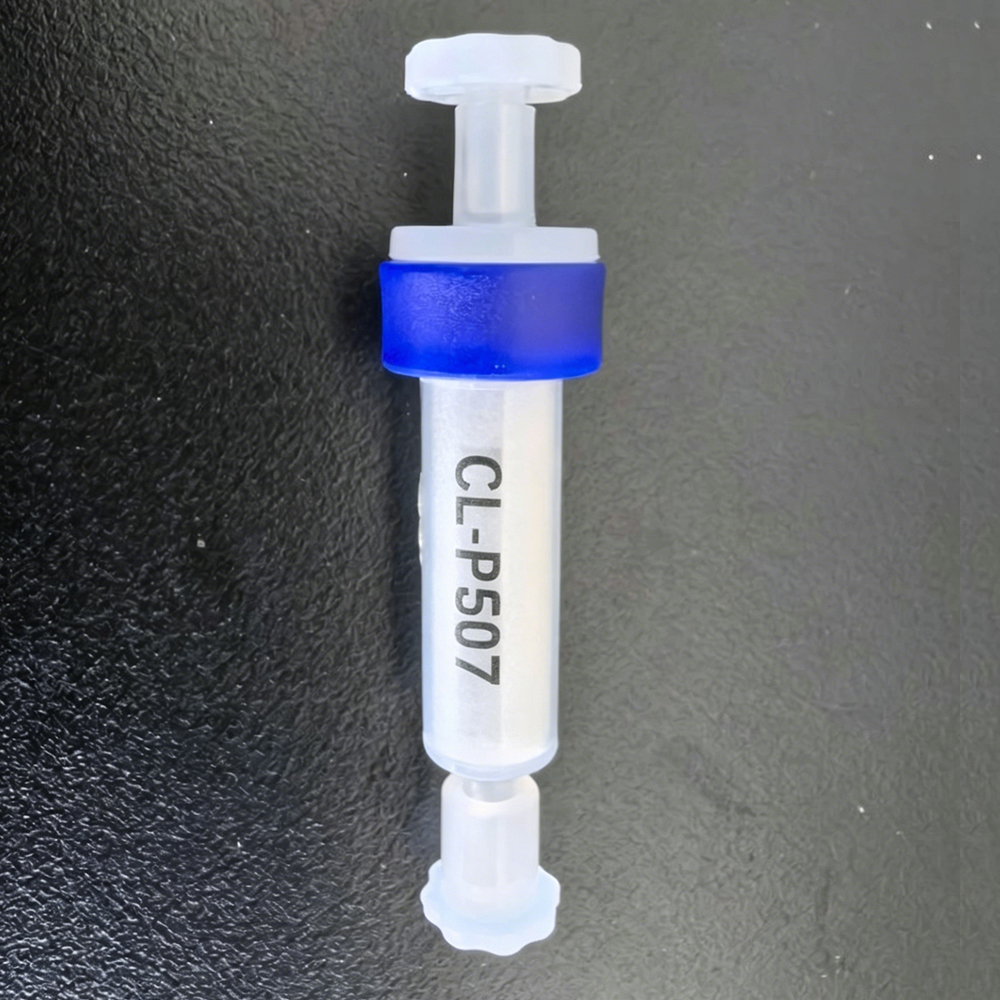
1. Heavy Metal Ion Adsorption: Selectively adsorb heavy metal ions such as nickel, cobalt, copper, zinc, and lead in wastewater.
2. Resource Recovery: Regenerate the adsorbed heavy metal ions to obtain high-purity metal salts for reuse.
3. Wastewater Purification: Reduce the concentration of heavy metals in wastewater to meet the discharge standards.
Application Scenarios
1. Lithium Battery Industry: Recovery of nickel and cobalt resources from ternary precursor production wastewater.
2. Hydrometallurgy Industry: Separation and recovery of valuable metals such as copper, nickel, and cobalt from ore leachate.
3. Electroplating Industry: Treatment of electroplating wastewater to recover heavy metals such as chromium, nickel, and copper.
4. Environmental Protection Industry: Treatment of industrial wastewater containing heavy metals to reduce environmental pollution.
Precautions
1. Before use, the resin should be pretreated (soaked in acid and alkali) to remove impurities and activate the functional groups.
2. During the adsorption process, the flow rate of wastewater should be controlled to ensure sufficient contact time between the wastewater and the resin.
3. During the regeneration process, the concentration and flow rate of the regenerant should be controlled to ensure the regeneration effect.
4. The resin should be stored in a sealed, cool, and dry place to avoid moisture absorption and caking.
Components, Accessories, Packaging and Other Information
Components
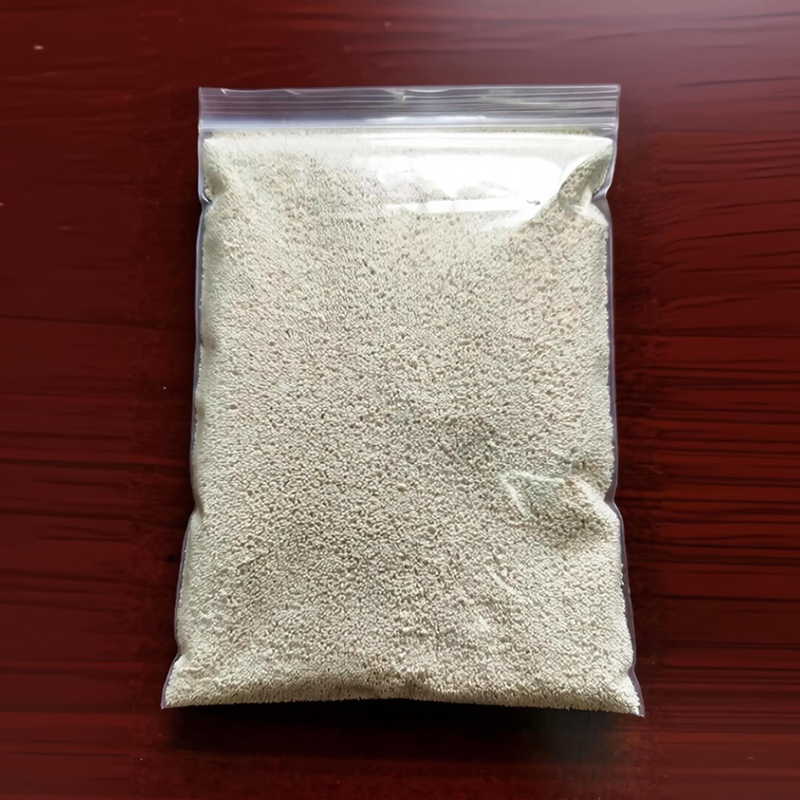
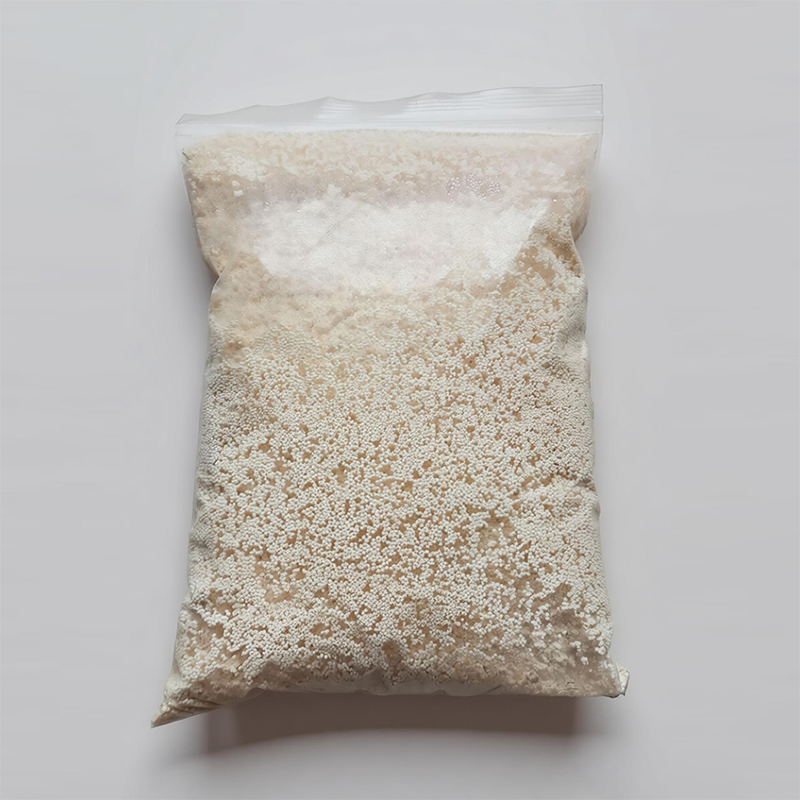
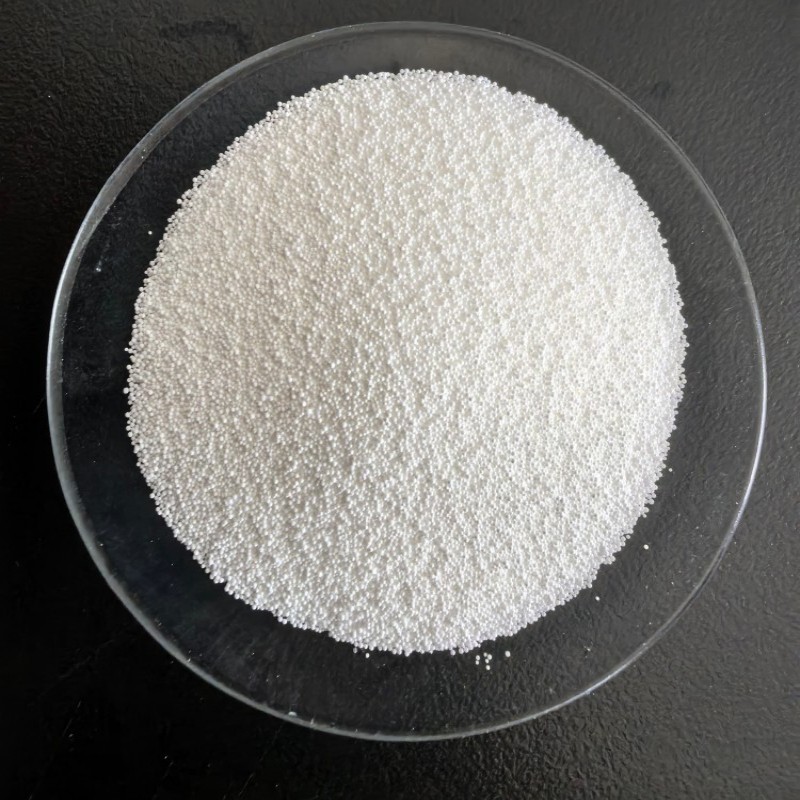
The core component is chelating resin pellets with iminodiacetic acid functional groups.
Accessories
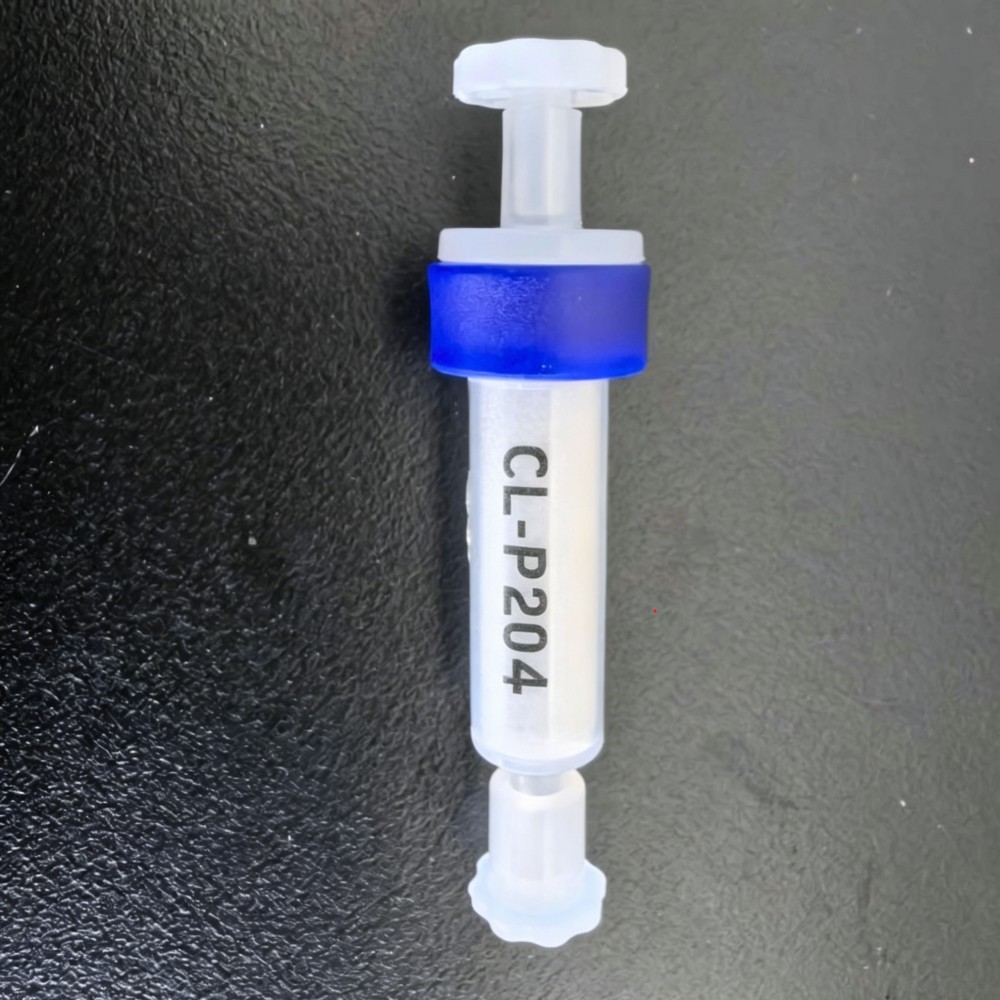
Each batch of products is equipped with a qualification certificate, a usage manual, and optional special filling tools (funnel, scraper, etc.).
Packaging
1. Inner Packaging: 25kg or 50kg double-layer PE sealed bags, moisture-proof and leak-proof.
2. Outer Packaging: High-strength corrugated cardboard boxes or wooden pallets, each pallet can hold 20 bags (25kg/bag) or 10 bags (50kg/bag).
3. Transportation and Storage: It should be transported and stored in a dry and ventilated environment, avoiding contact with strong acids, strong bases, and organic solvents.